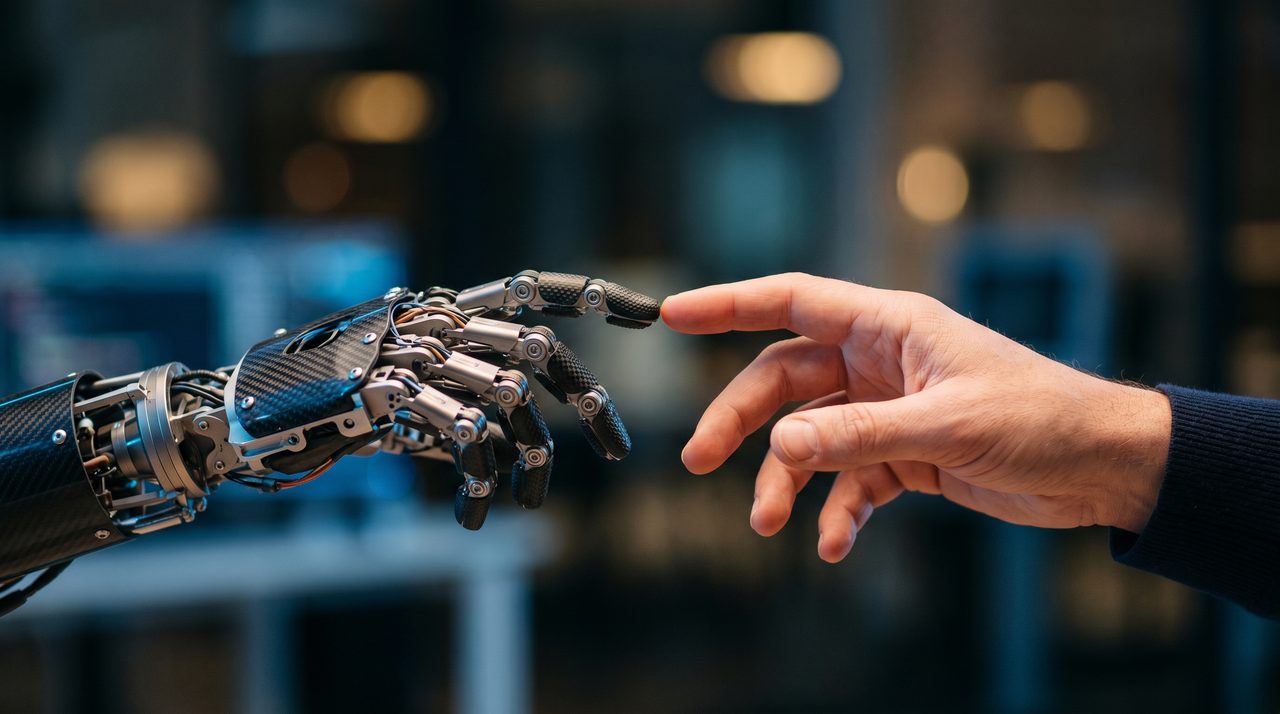
Tesla Optimus, Figure 02, and Apptronik Apollo have entered the workforce. We visited three factories using them daily to see what really works (and what doesn't).
What They Actually Do
Today's humanoid robots handle repetitive sorting, light assembly, and parts retrieval. They are not replacing skilled trades — they're filling night shifts and dangerous jobs nobody wants.
Factory 1: BMW Spartanburg
Figure 02 units move parts between assembly stations. 70-hour uptime, ~95% task accuracy. The robots can't recover from unexpected situations yet, so each cell has a human supervisor.
Factory 2: Foxconn Shenzhen
Apptronik Apollo units handle PCB inspection. They work 22 hours a day with two-hour battery swaps. Throughput is 80% of a trained human inspector — but they never get bored.
Factory 3: Amazon Fulfillment Texas
Tesla Optimus moves totes between conveyors. Still in pilot phase. Speed is 60% of human; reliability is 92%. Tesla's roadmap targets parity by 2027.
The Bottom Line
The robotics industry is at the "AlphaGo moment" — the moment when the technology suddenly works well enough to be deployed at scale. The next five years will be wild.